SCUBA Diving
Underwater photography, conservation, and research
Underwater photography, conservation, and research
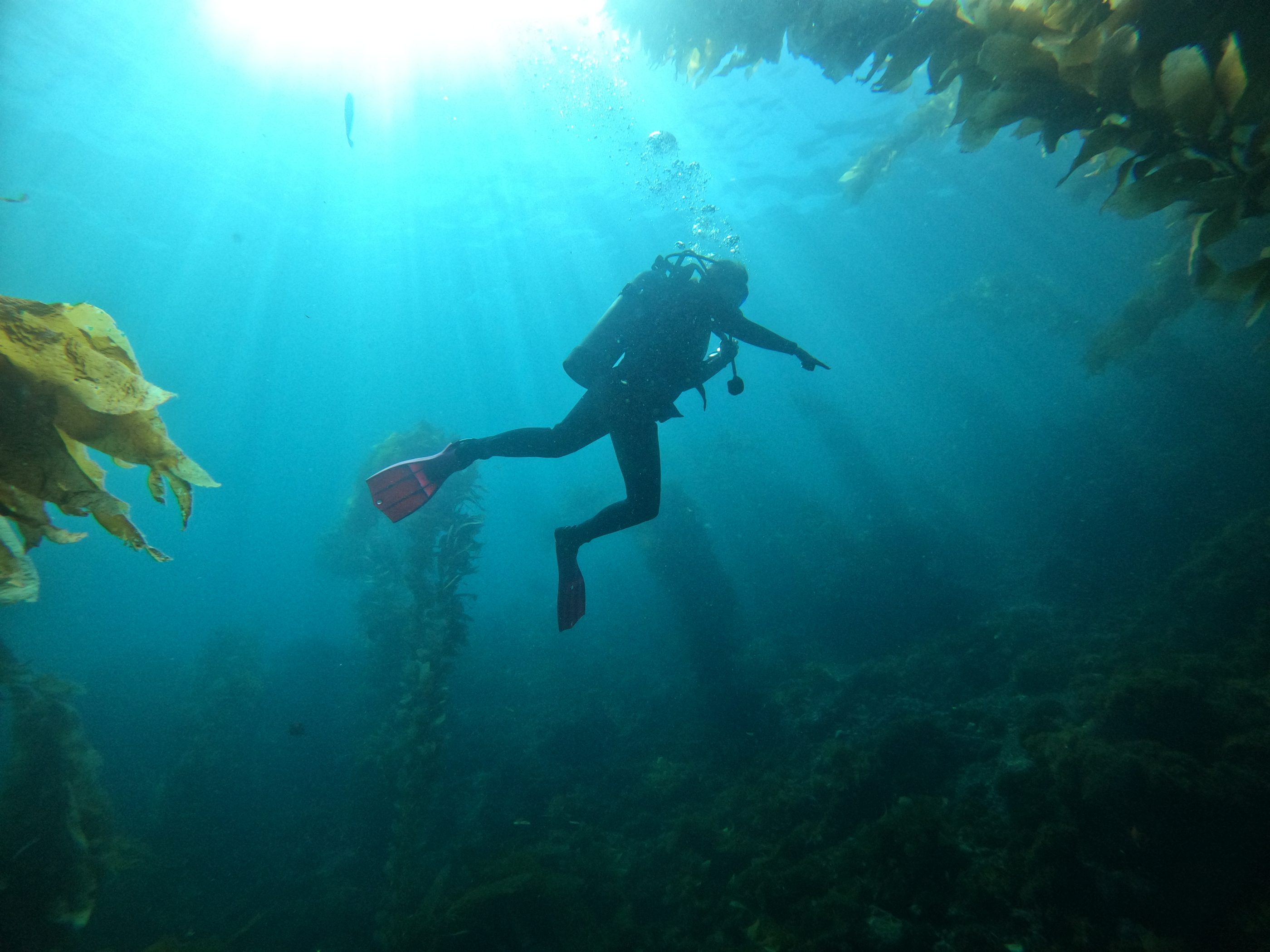
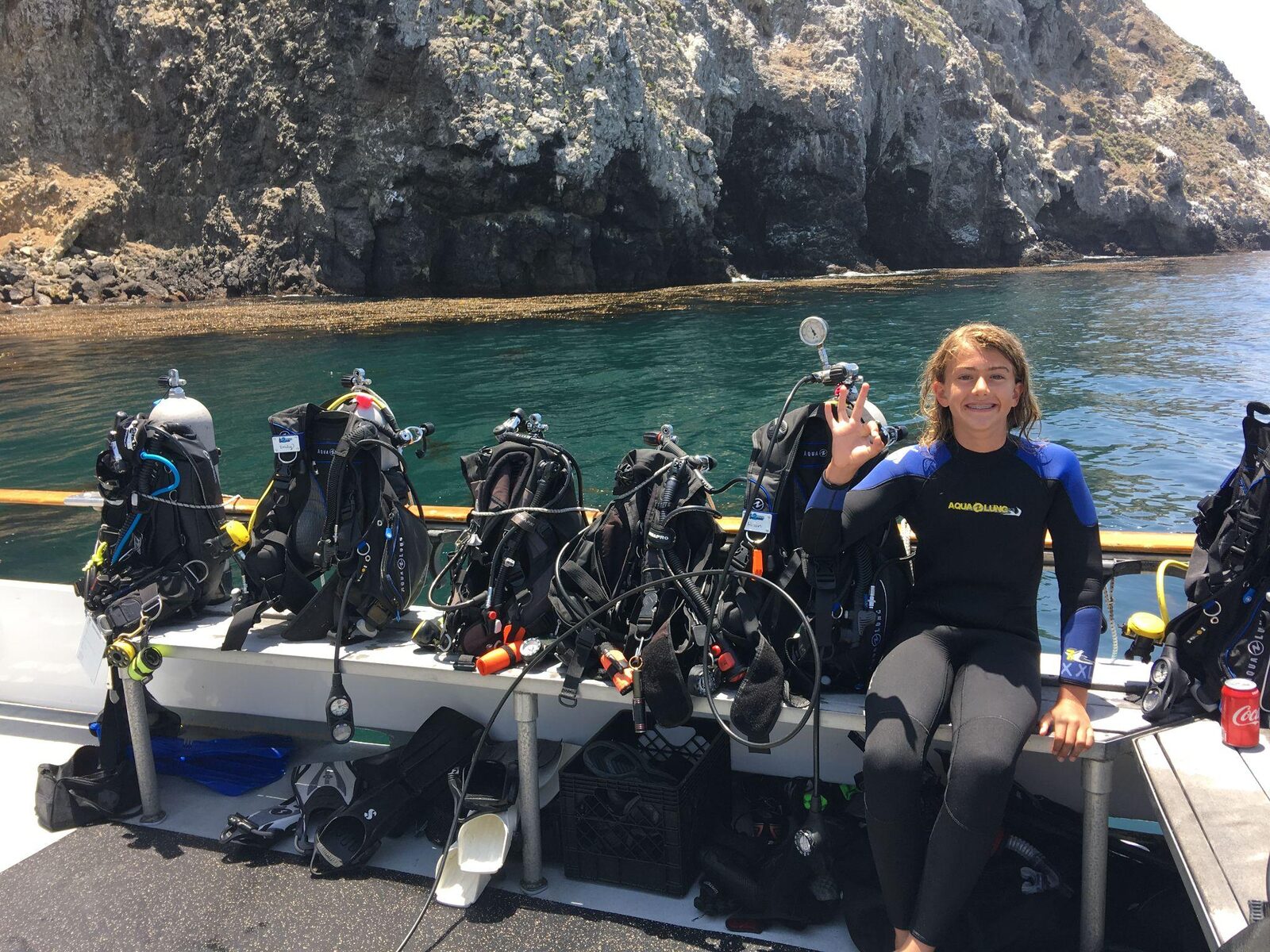
My love for the ocean started young. I grew up snorkeling, tidepooling, and paddleboarding in the Pacific Ocean as a little kid. When I turned twelve I got certified to SCUBA dive in the California Channel Islands, and have done extensive diving since then.
Most of my diving has been in kelp forests of Catalina Channel Island. These tall lush kelp forests are otherworldly to swim through. If you’ve ever walked through giant redwoods, it feels similar, but with an enhanced sense of verticality. The rays of light dance as they refract through the rippled surface of the ocean and stream through the blades of kelp. Swimming through the swaying kelp is peaceful and relaxing.
Many native fish inhabit these ecosystems like the garibaldi (state fish of California), and the giant sea bass (largest bony fish in California).
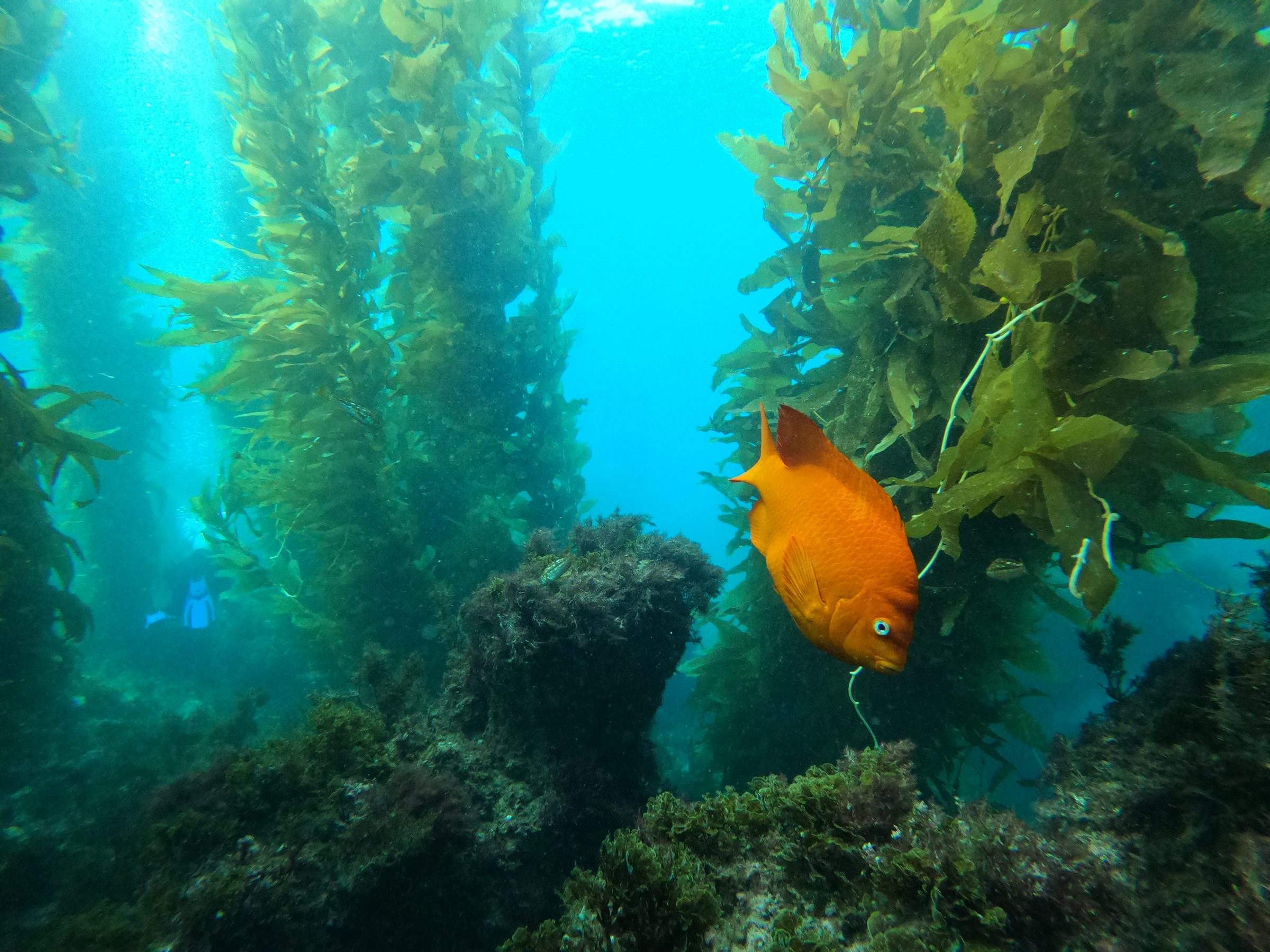
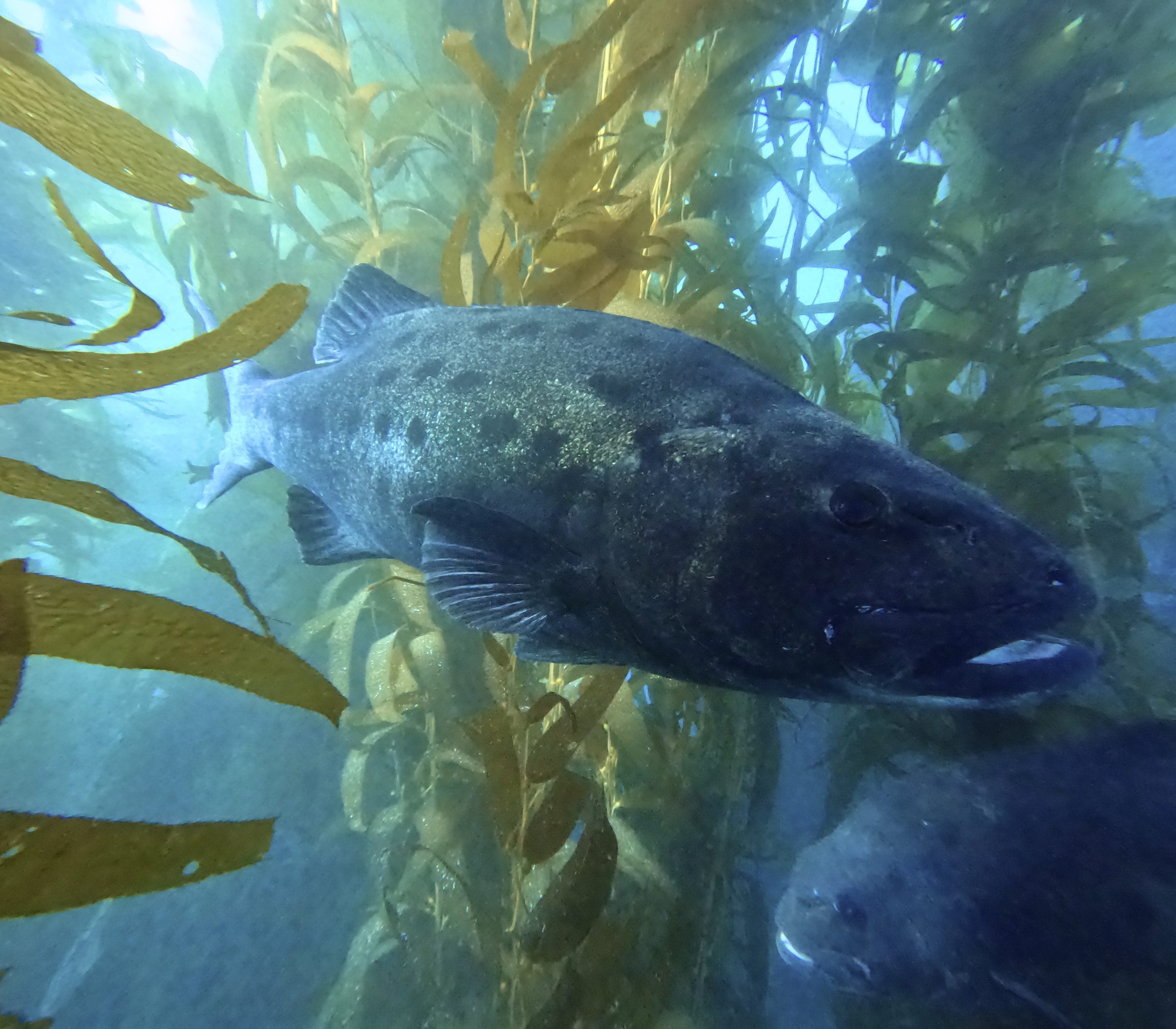
I purchased a GoPro several years ago in order to photograph and share the animals and ecosystems I get to explore while I dive. Since then, I’ve practiced my underwater photography in many places like Kauai, St. Lucia, Corsica, Monterey, and Catalina.
Eventually my goal is to invest in an underwater housing for a nicer camera so I can take higher resolution macro shots. Check out my gallery of underwater photography.
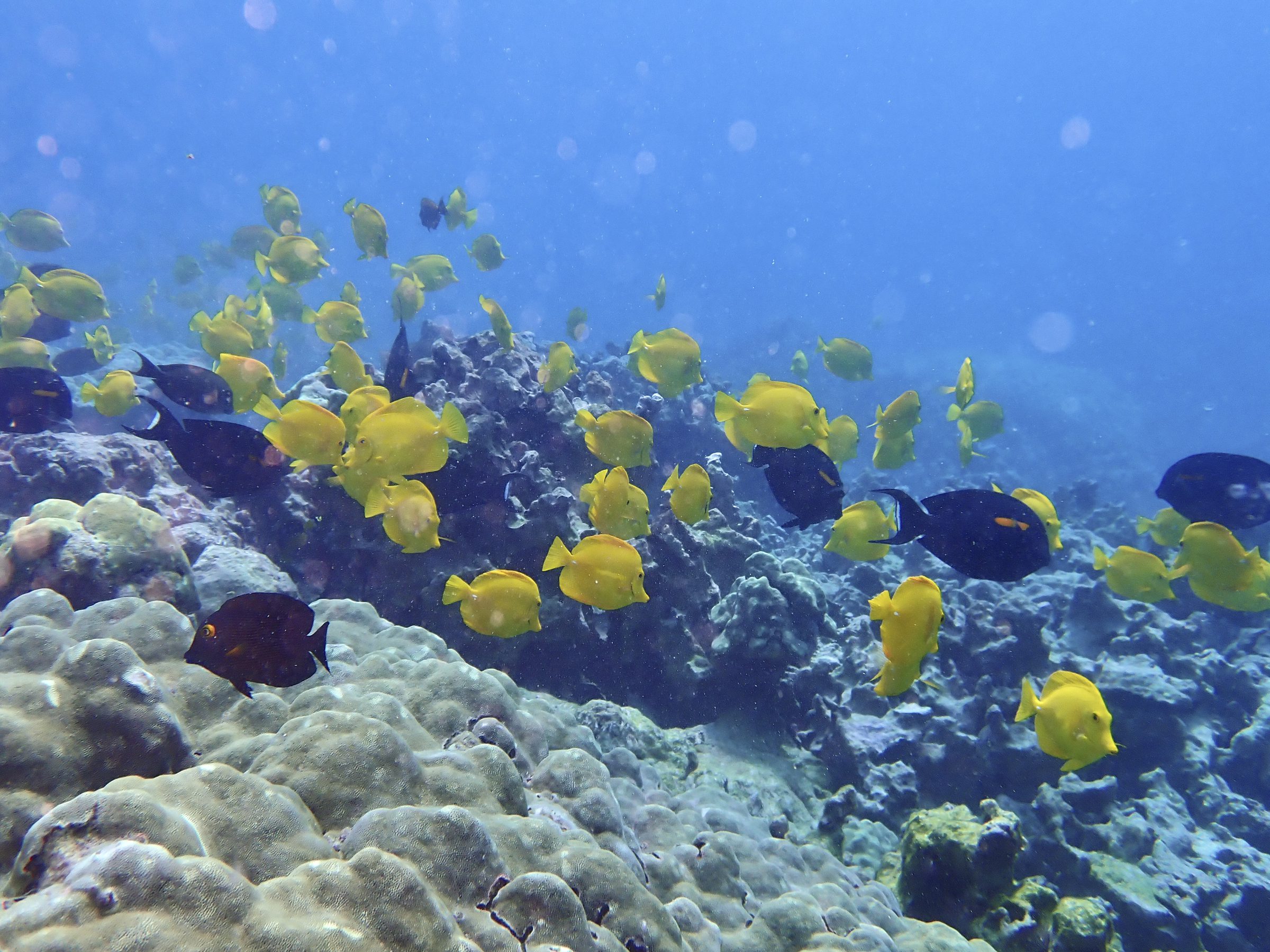
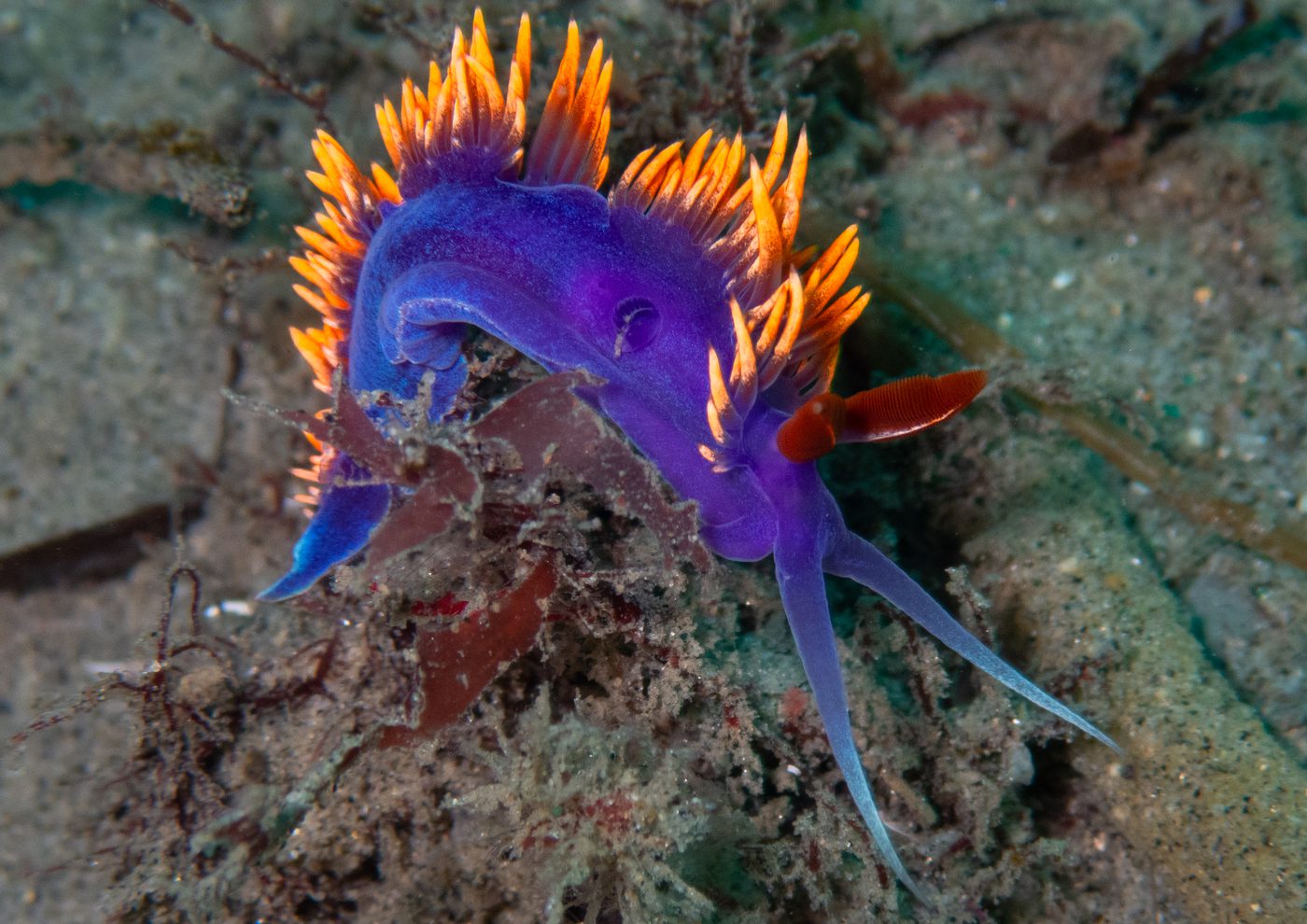
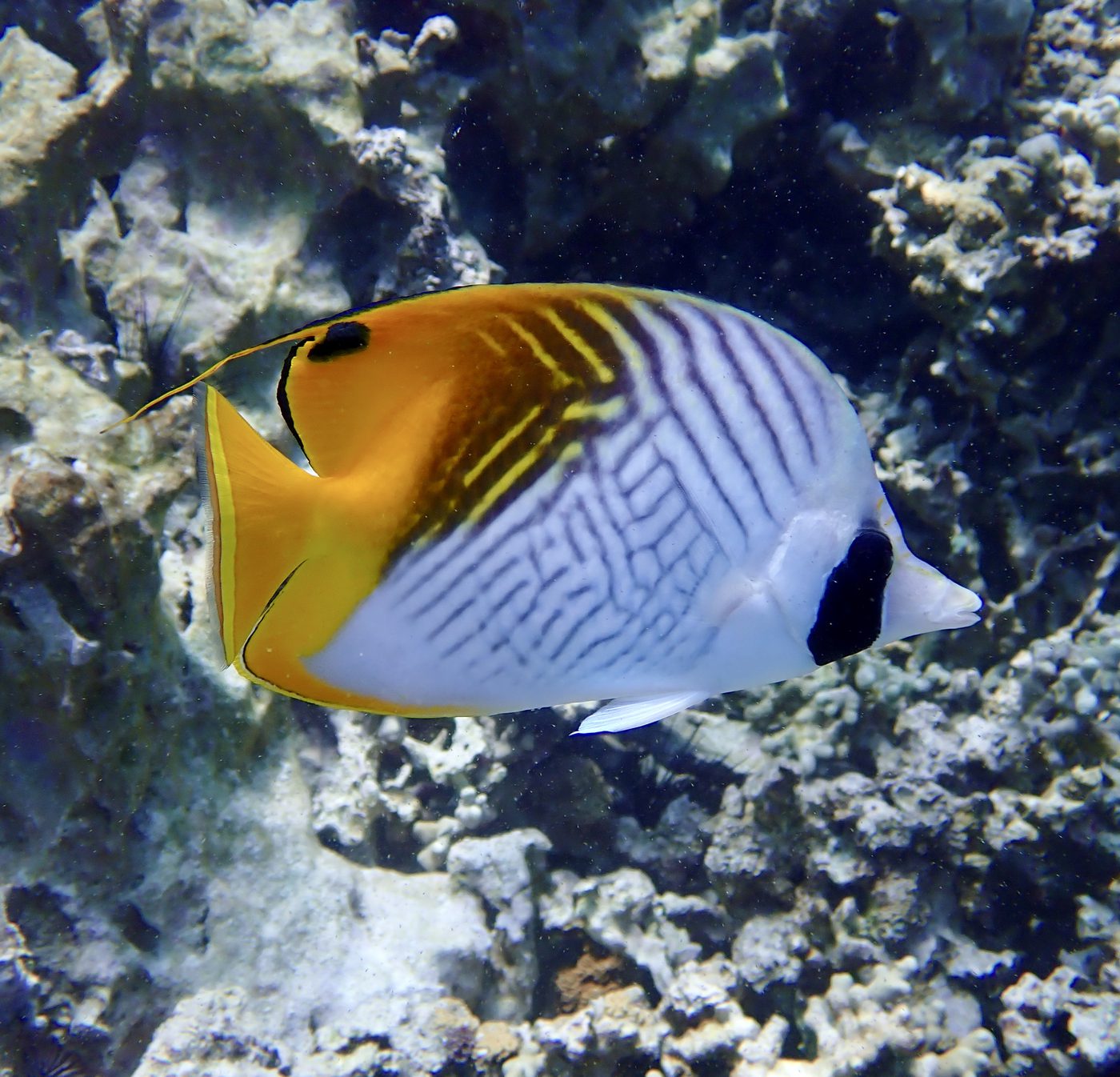
Through UC Berkeley’s SCUBA diving club, I have helped with kelp forest restoration. Sea urchins are major culprits responsible for devouring kelp forests. They have the ability to remain alive for years in barrens even after their food sources have been depleted. This means that when kelp is stressed by other factors, the urchins make it even harder for it to regrow.
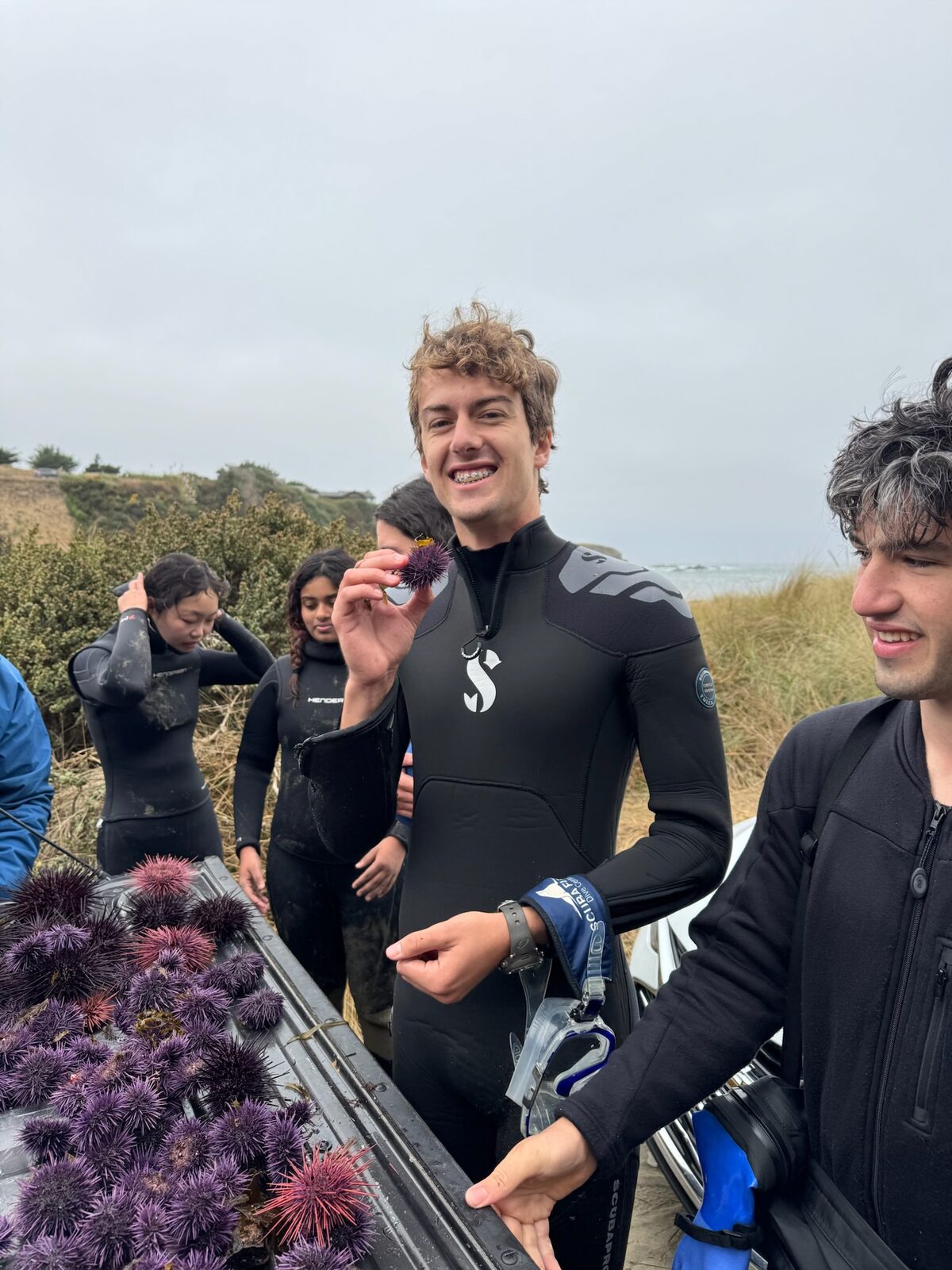
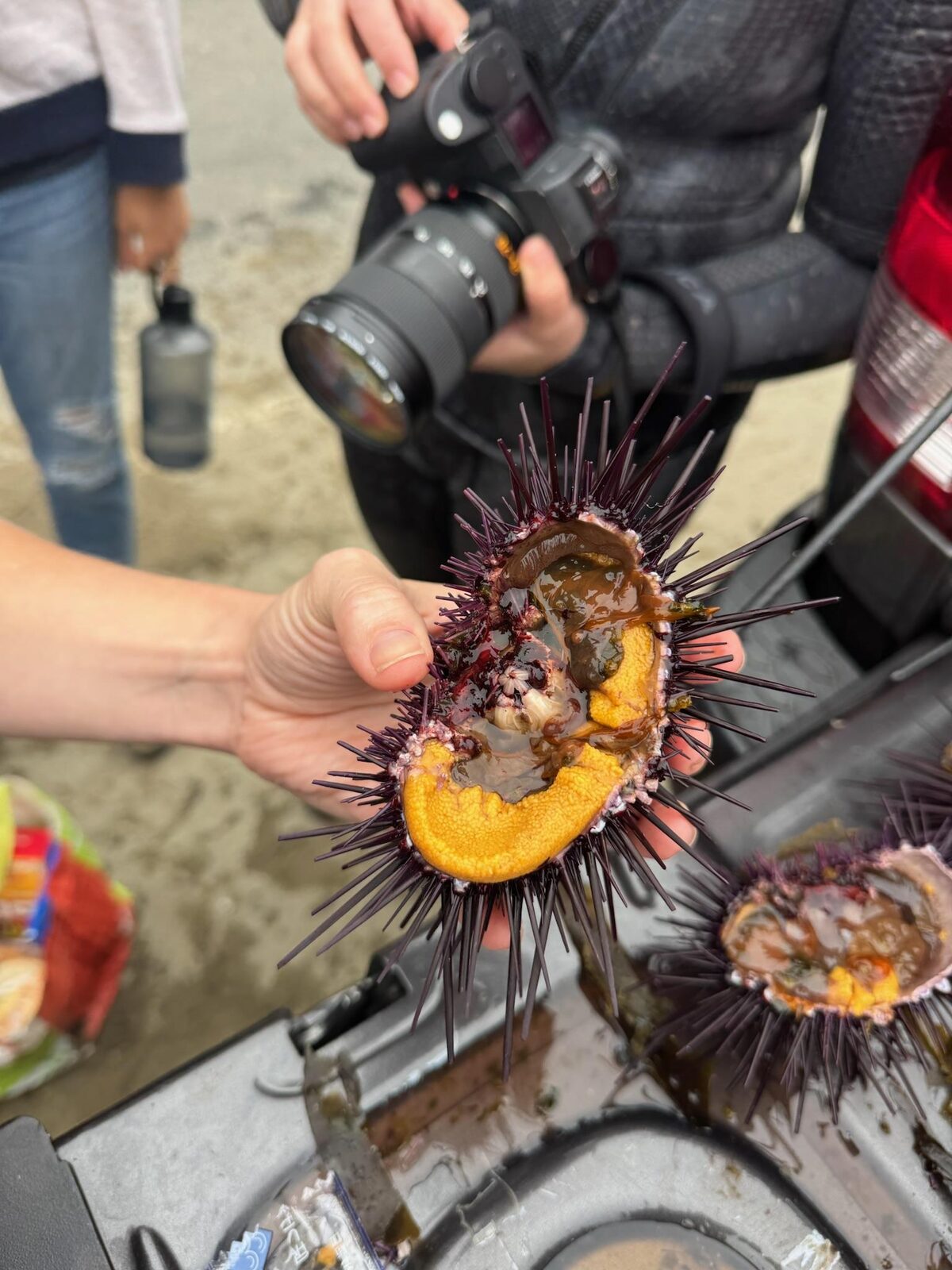
In order to combat this, I dove at Caspar Cove on the Northern California Coast, to remove urchins. We smashed urchins with hammers and also collected some in mesh bags to eat. The visibility was poor, but it was rewarding to get to help with conservation efforts. The fish all hovered around me because they liked eating the urchin guts that were dispersed into the water as I smashed the urchins.
The two types of urchins in California are red urchins and purple urchins. Purple urchins are smaller and more resilient than red urchins and they cause the most destruction of kelp. You can also eat urchin (uni). It tastes like masago (small fish eggs) but has the texture of avocado kind of. It’s a very unique food.
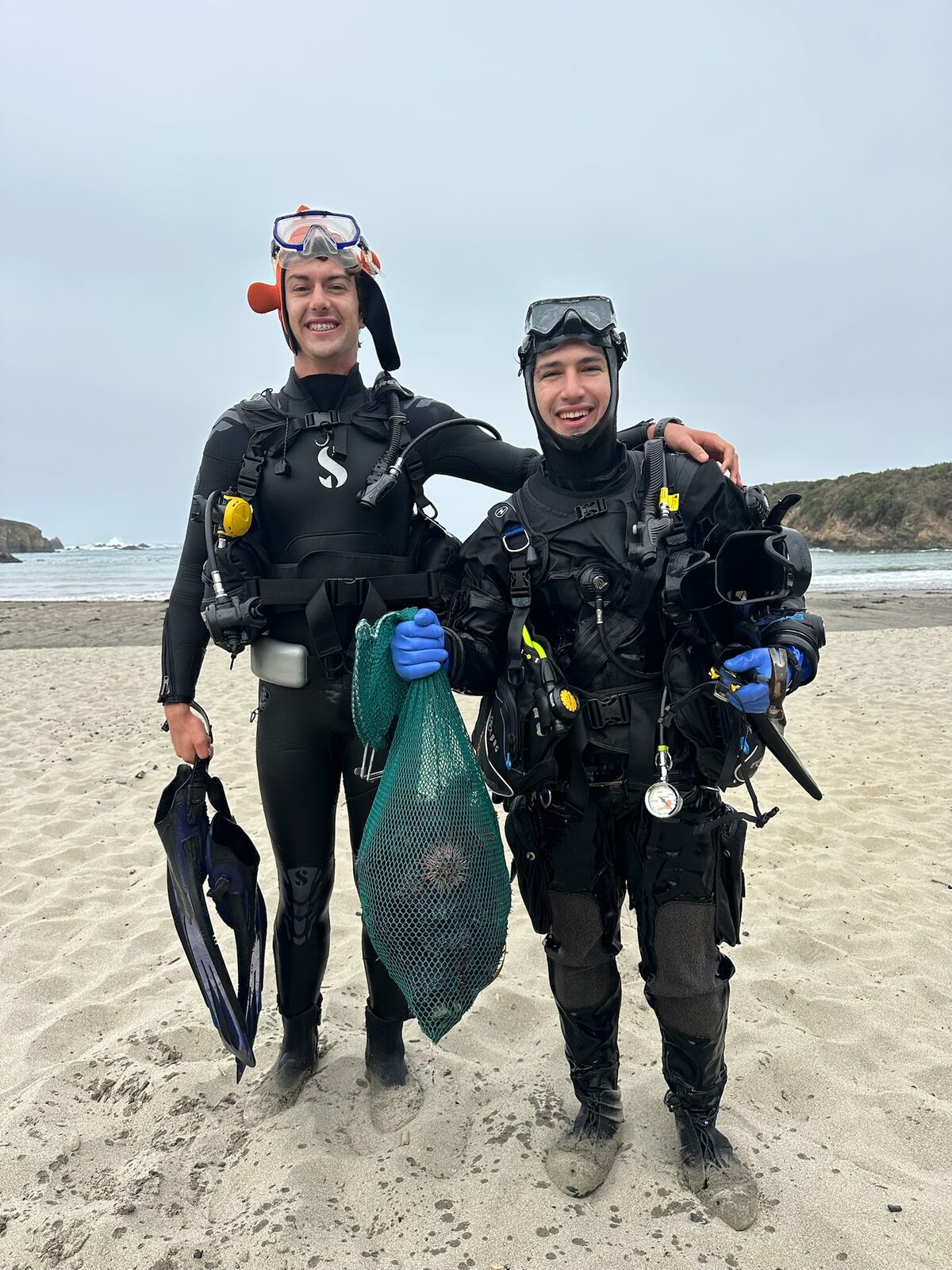
I am currently participating in a scientific diving course through UC Berkeley, and I hope to eventually help with research diving. The next diving trip I want to go on is to Raja Ampat in Indonesia. I also hope to invest in an underwater camera housing and nice mirrorless camera to document my diving even better! If you want to dive with me, I’m always down to meet new dive buddies :)