Astronomy
Stargazing and astrophotography
Stargazing and astrophotography
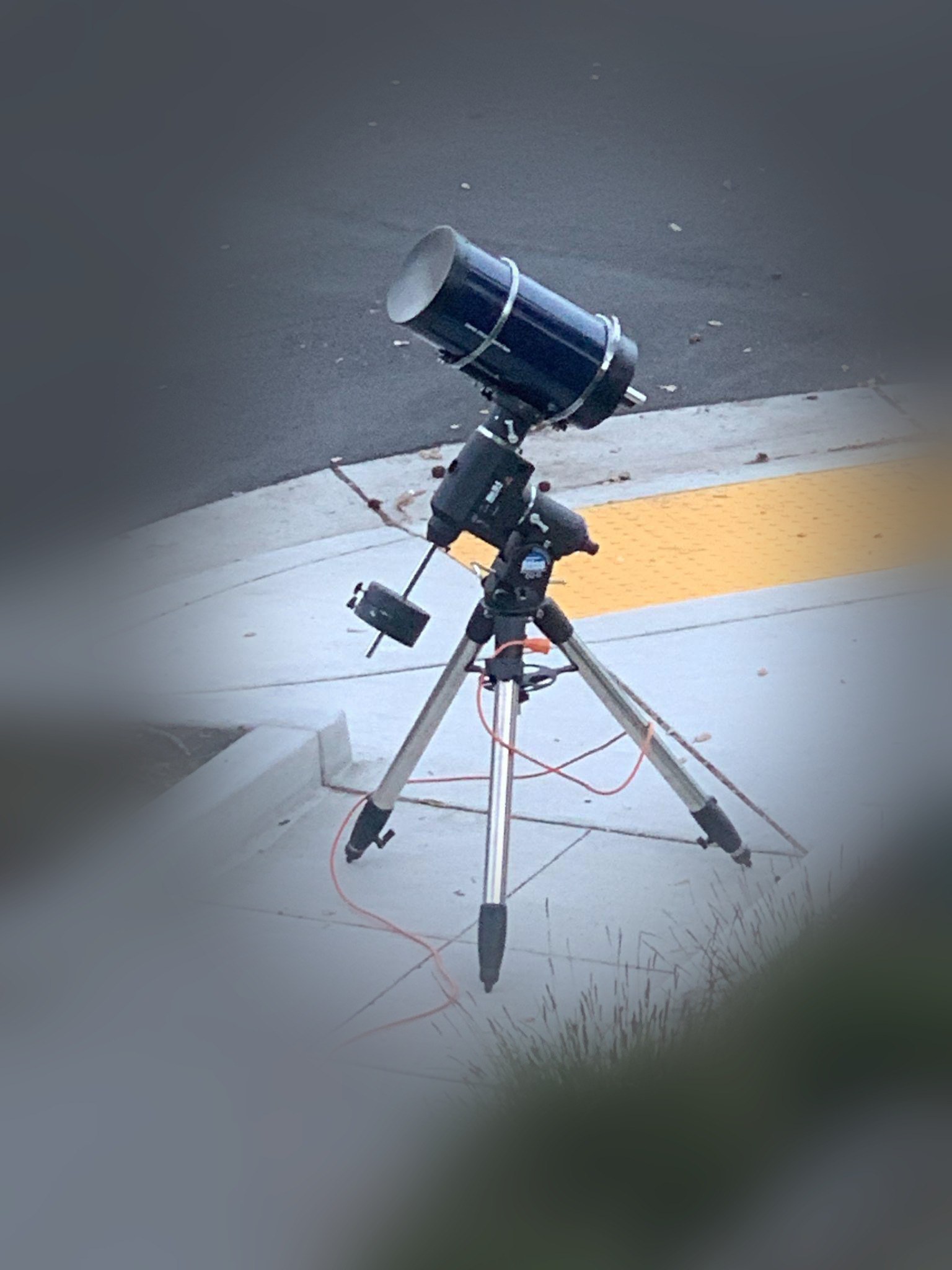
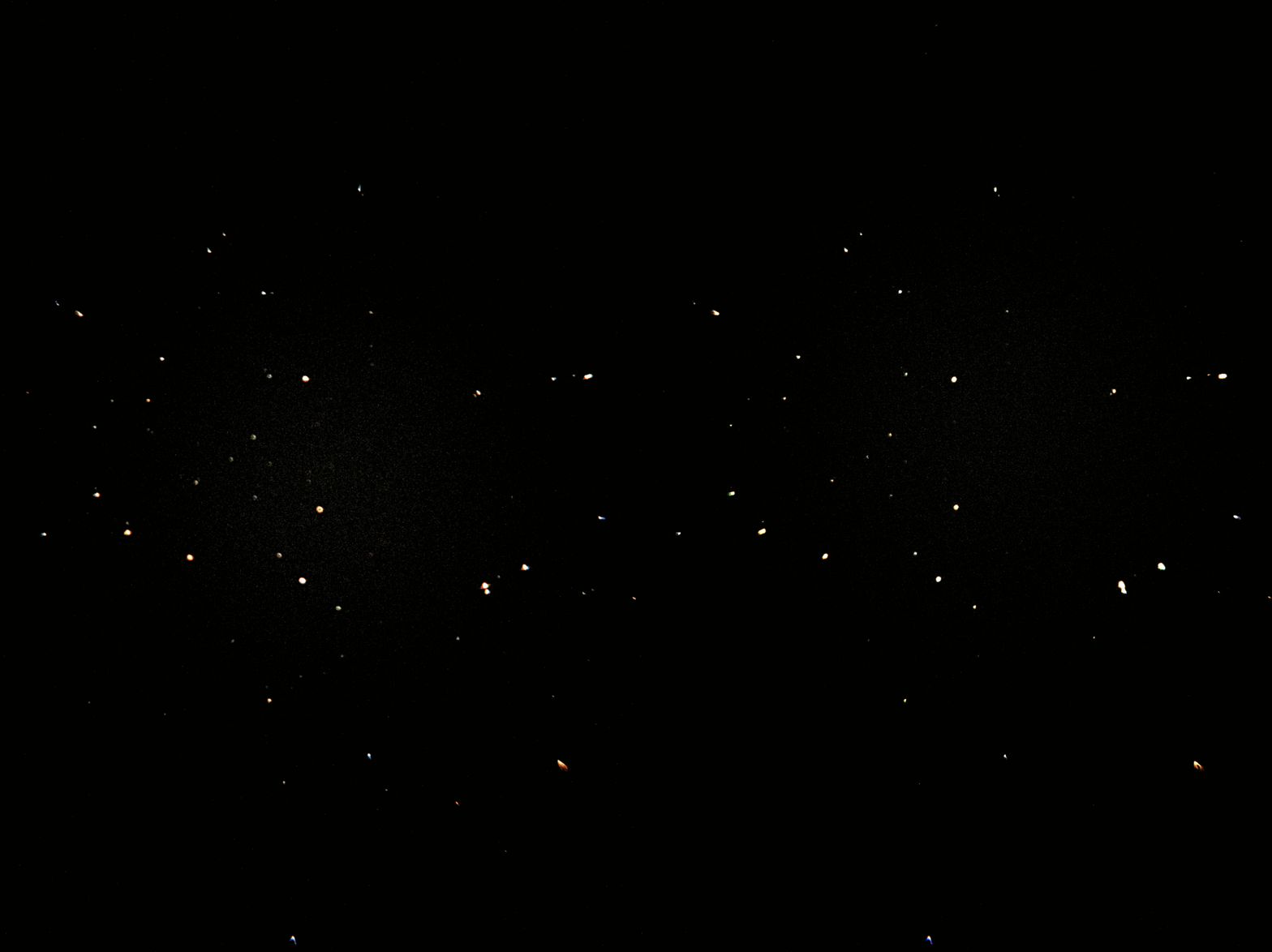
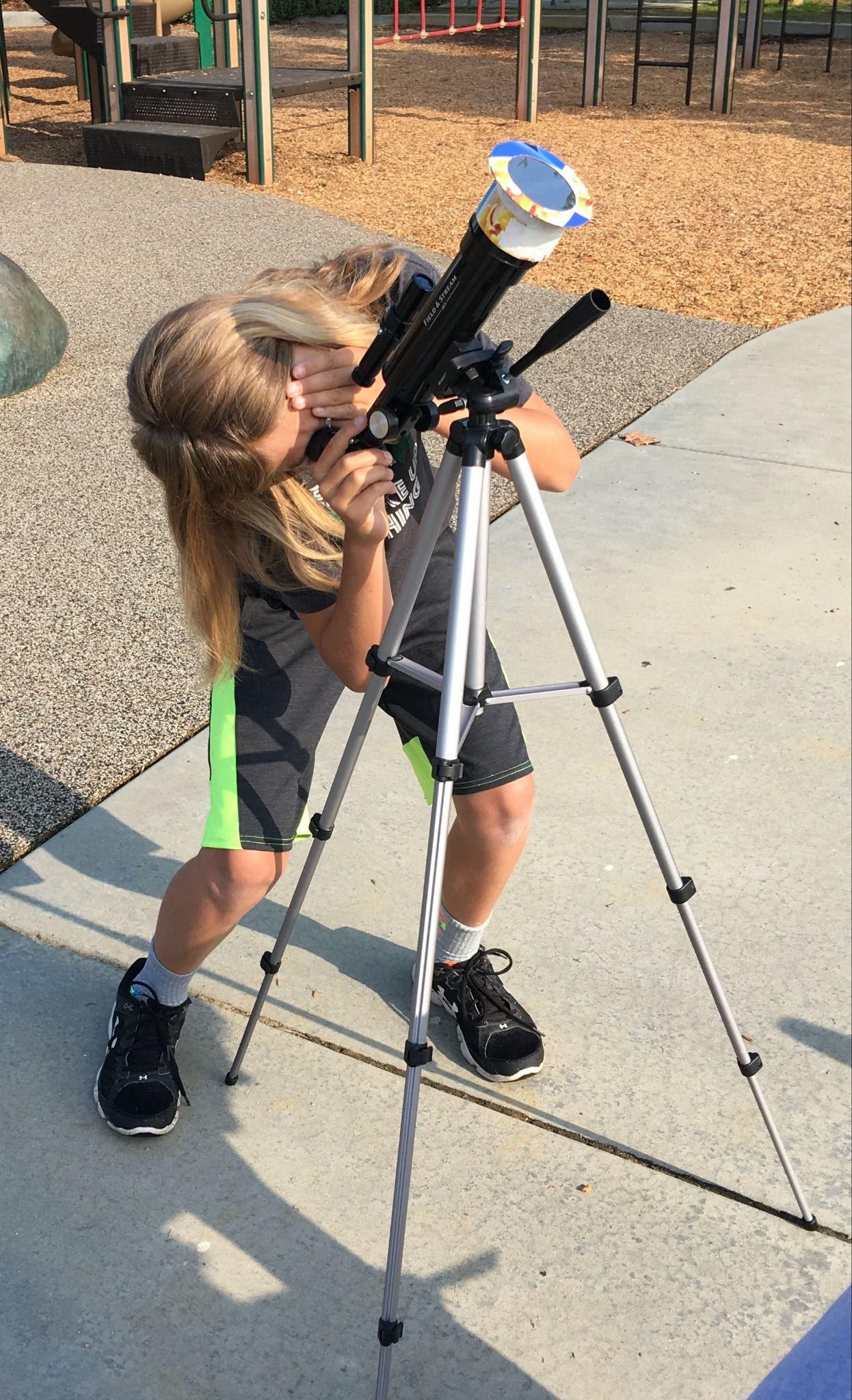
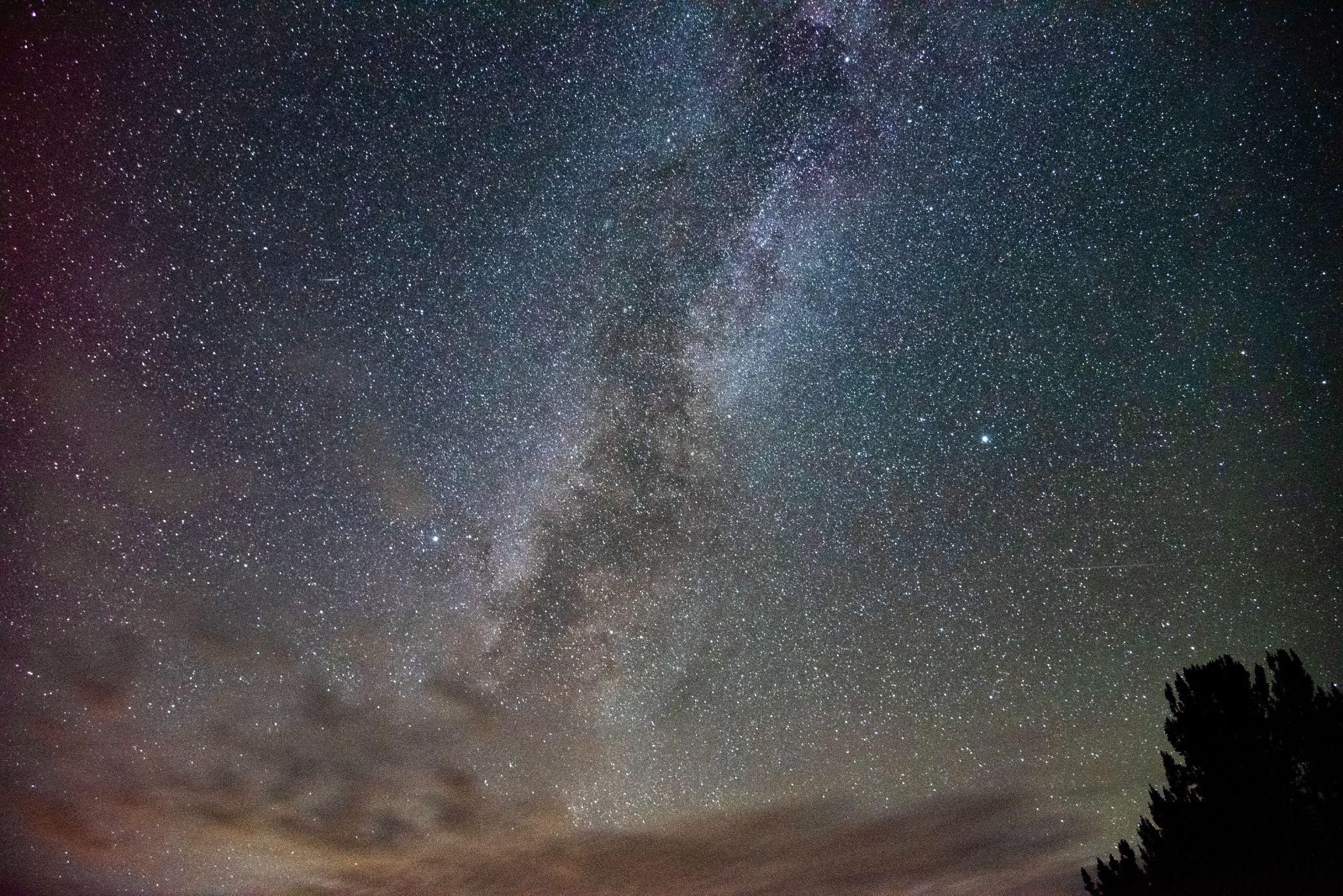
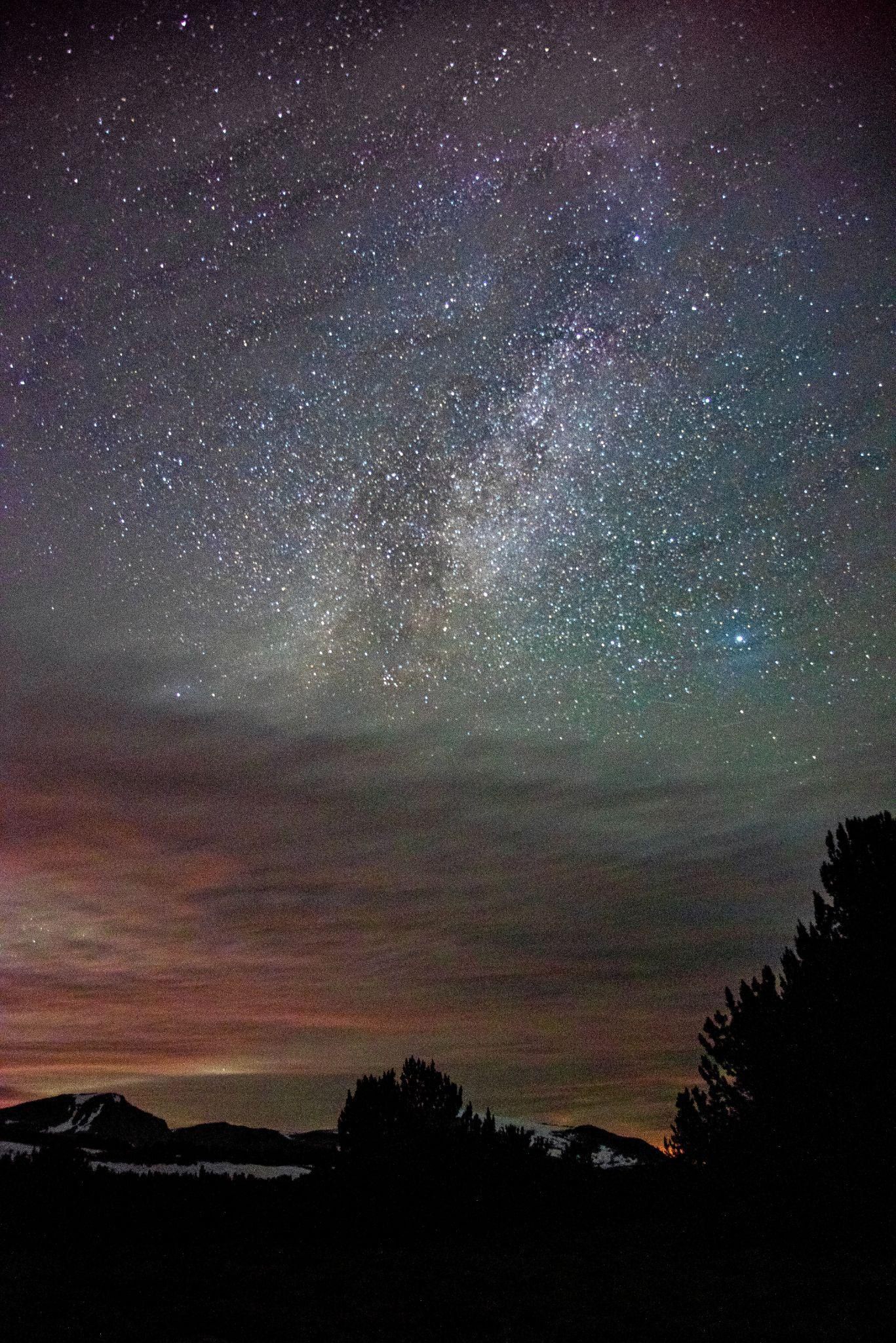
Since I learned to recognize Orion’s belt as a little kid, I’ve gazed in awe towards the dazzling constellations above. Seeing meteor showers and the milky way in dark skies inspired me to learn the names and mythology associated with the sky. When I eventually got older, I acquired an old telescope from my science teacher, and used it to see further into the heavens.
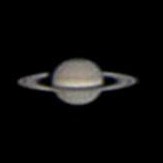
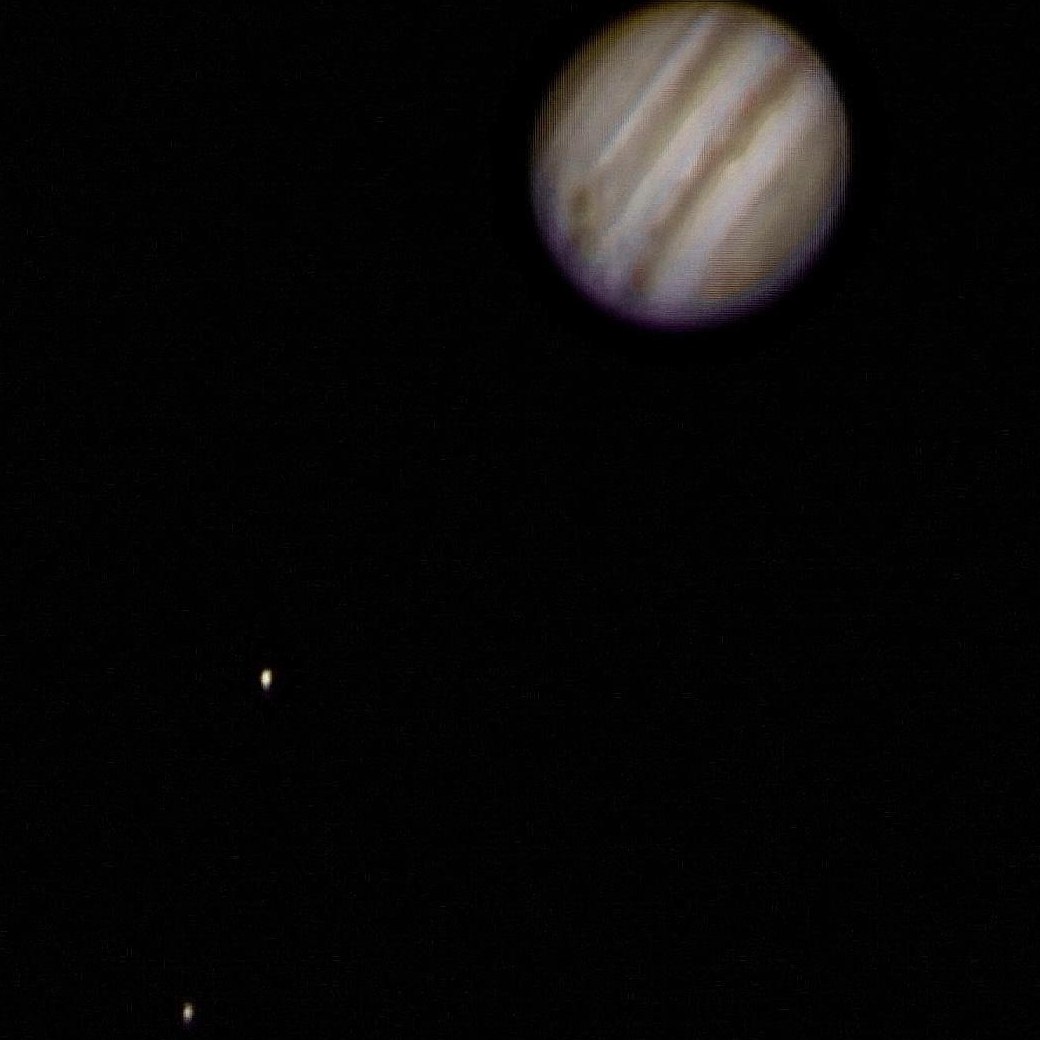
At first, I was drawn to viewing the planets. I saw the rings of Saturn, the moons of Jupiter, and imagined what it would be like to visit other worlds. I learned about the structure of the solar system and which planets were gaseous and which were rocky.
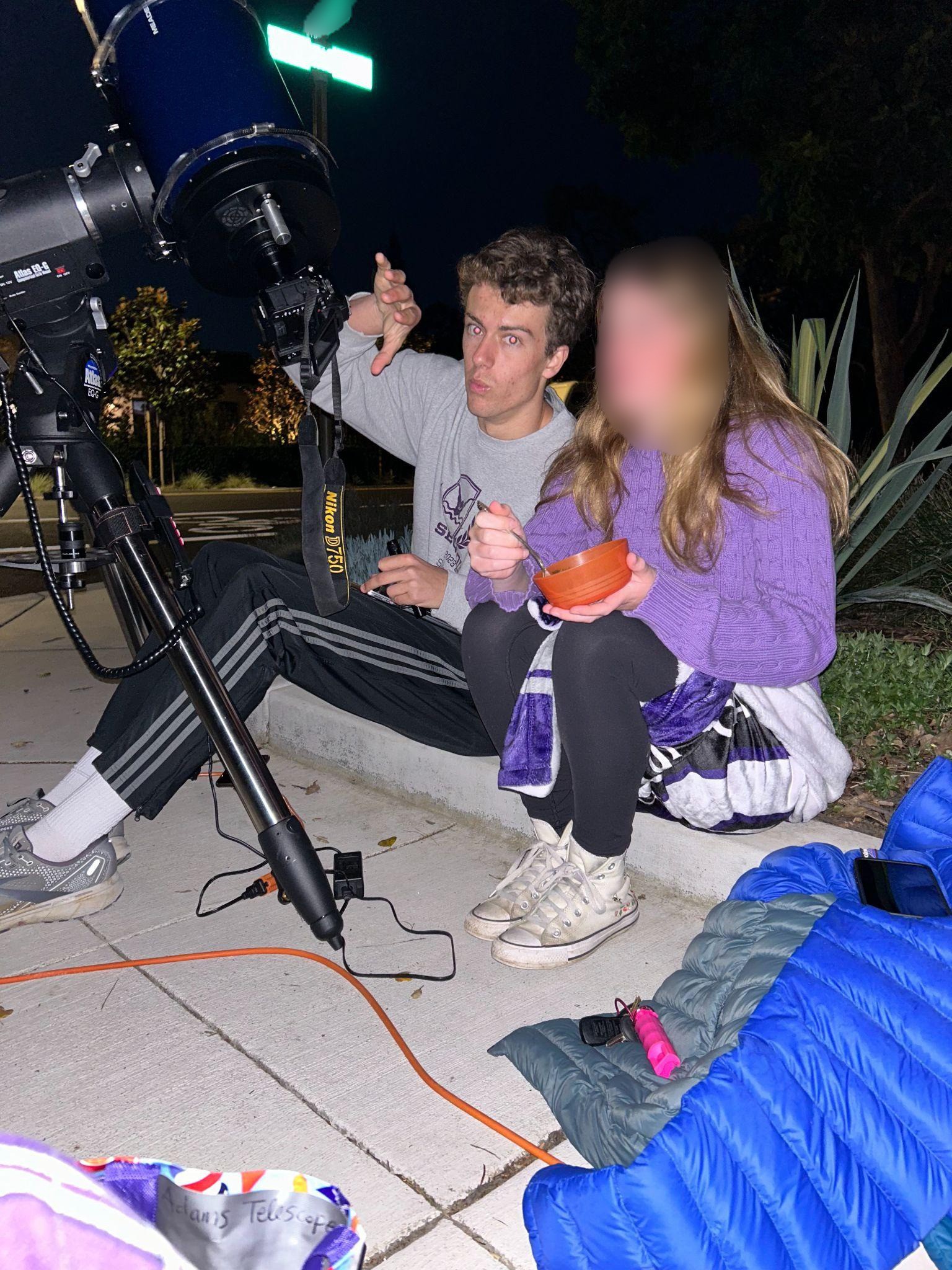
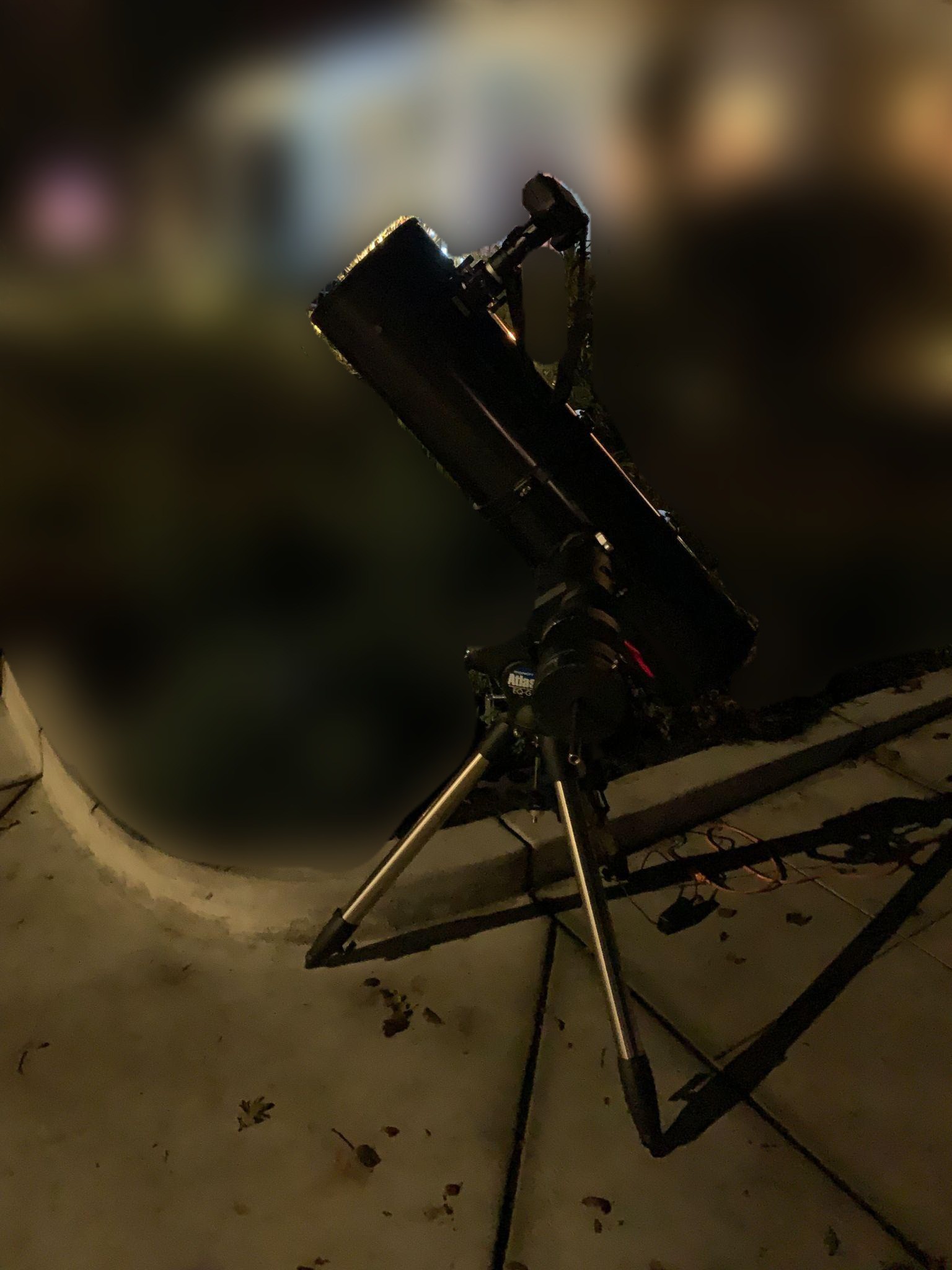
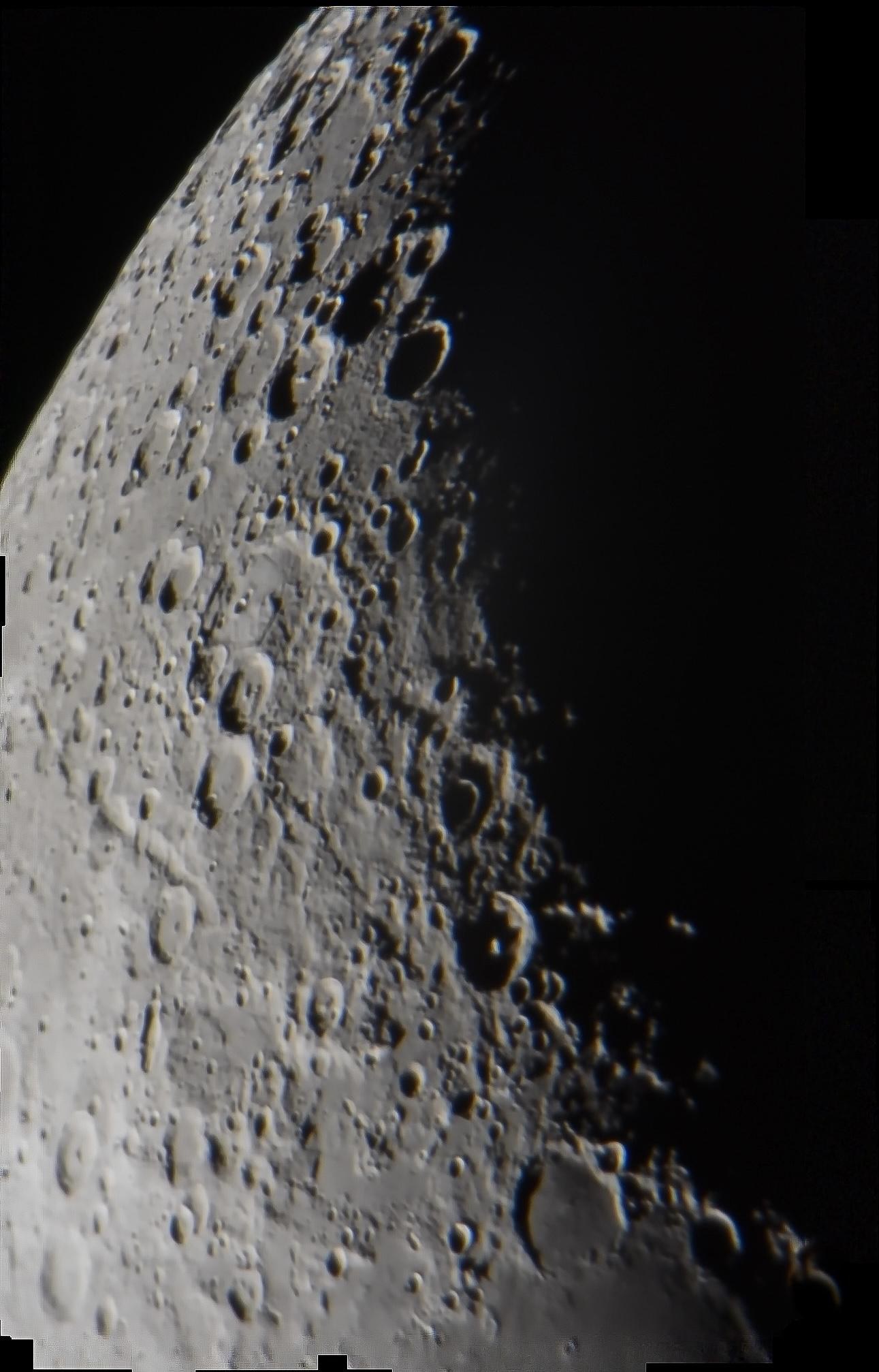
Eventually, I decided to buy an adapter to connect a DSLR camera to the telescope in order to capture and share what I saw. Images like these of Saturn and Jupiter were some of the first photos I took of the night sky. They were taken by shooting a series of many photos and then stacking them using software.
The camera sensor is more sensitive and better at capturing faint light than the human eye. This enabled me to take photos of objects like nebulae, comets, and galaxies.
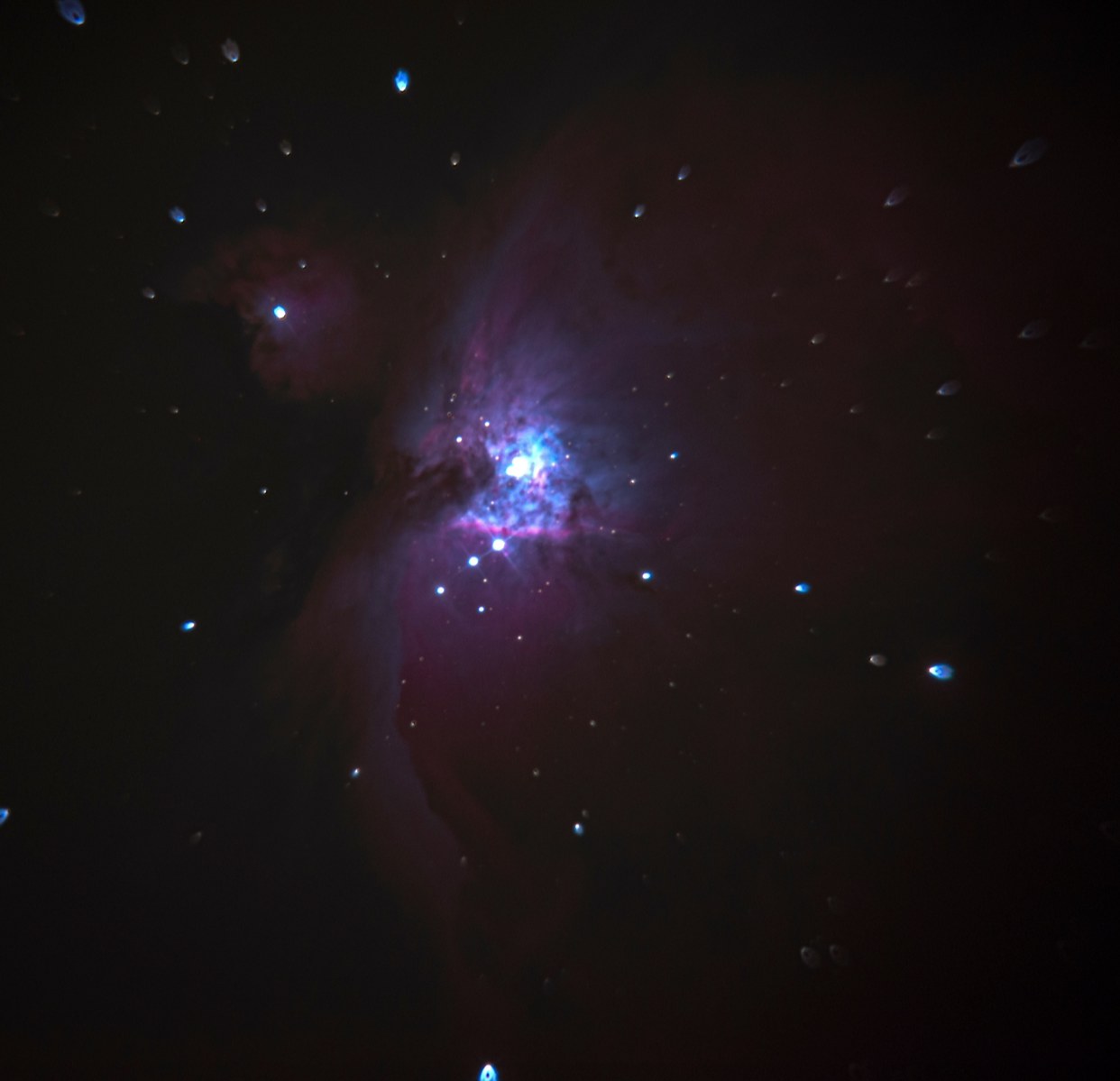
The Orion Nebula can be located as the middle “star” of the three in Orion’s sword, and is the most prominent nebula you can see with the naked eye. It is a stellar cloud of hot dust and gas, where stars are born. Brilliant reds, purples, and blues become visible when exposures are taken on a sensitive camera.
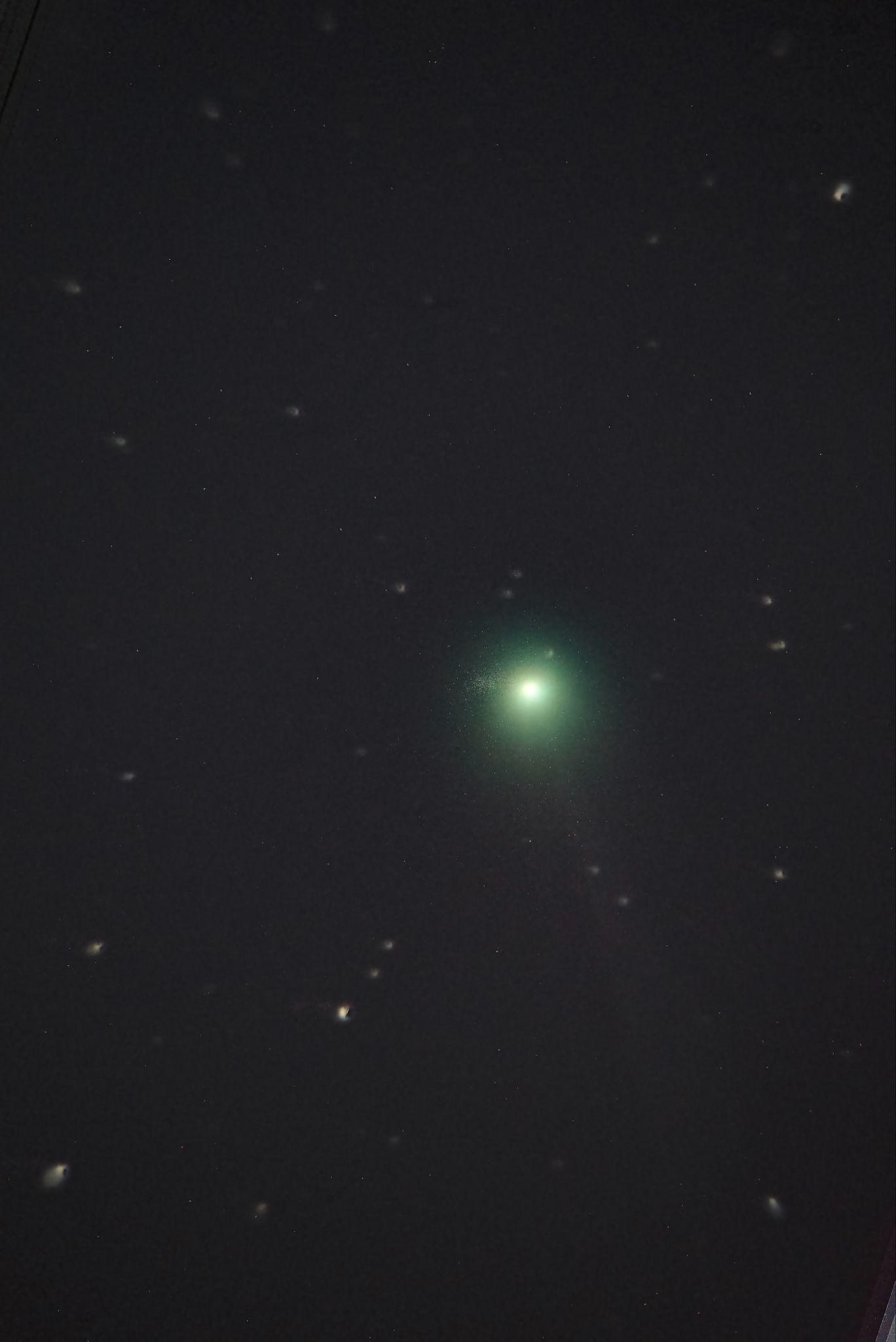
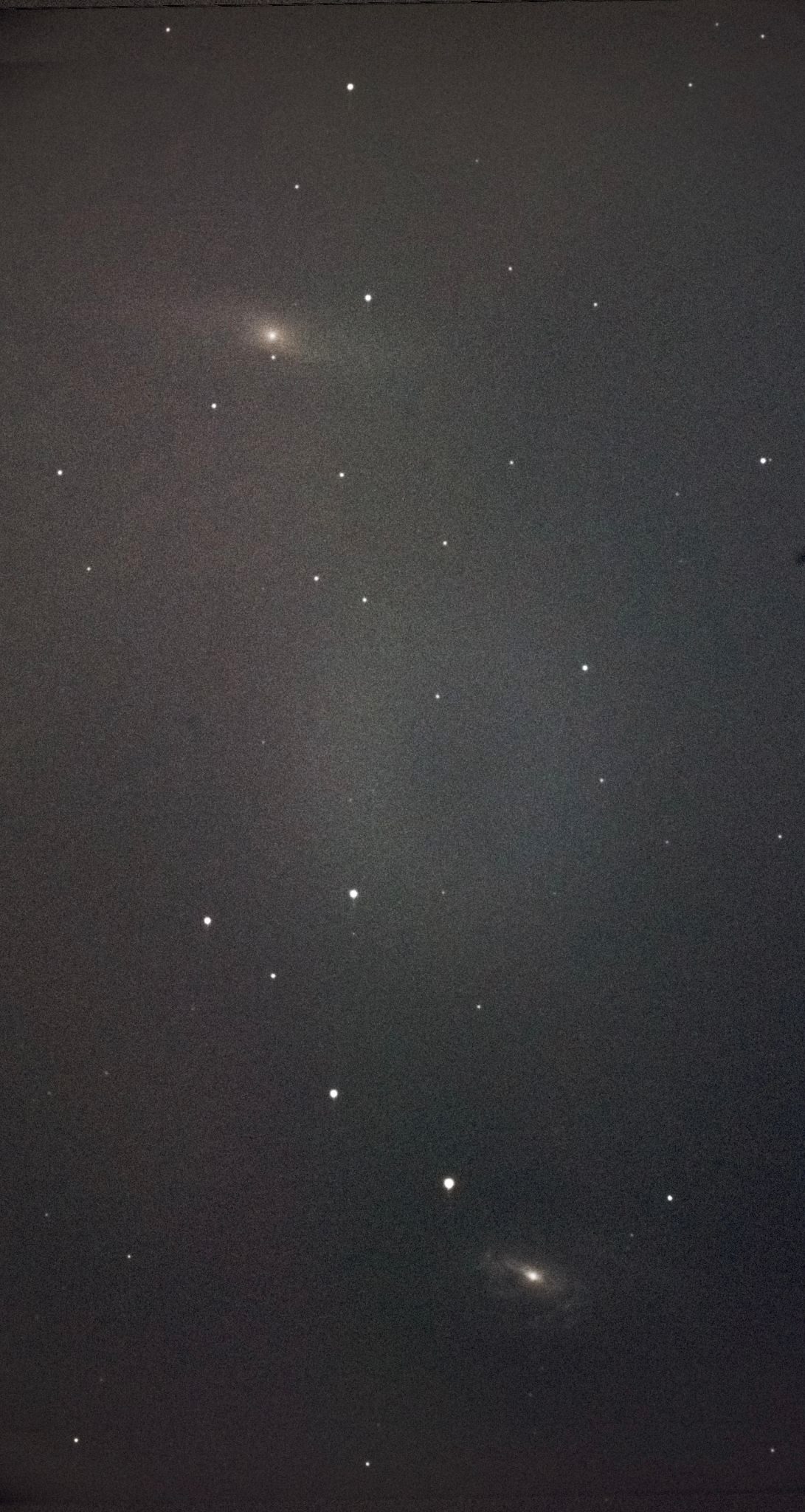
The green comet is 12P/Pons–Brooks which became bright during its closest point to the sun in April, 2024. I also took photos of the galaxies in the constellation Virgo.